Your Cart is Empty

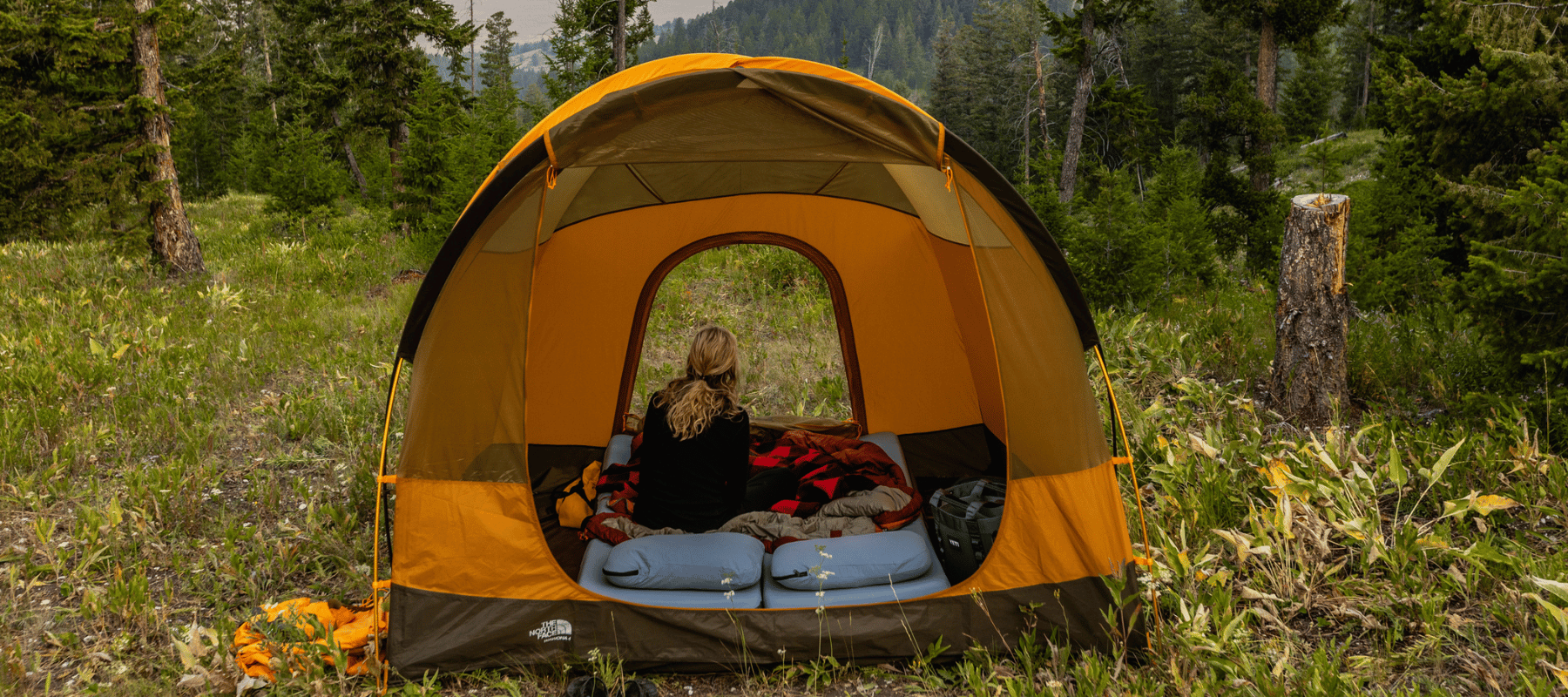
The short answer is that a thick memory foam camping mattress is the most comfortable thing you can sleep on when camping. It's the closest you'll get to your bed at home. Consistent support, no inflation, no deflation, and insulation from the cold ground underneath you.
But not everyone camps the same way, and the best option depends on how you get to camp, how much space you have, and what kind of sleeper you are. Here's how every option stacks up.
Memory foam mattresses are what we make at HEST, so we'll be transparent about our bias, but the reason we built this company around foam is because nothing else comes close for comfort.
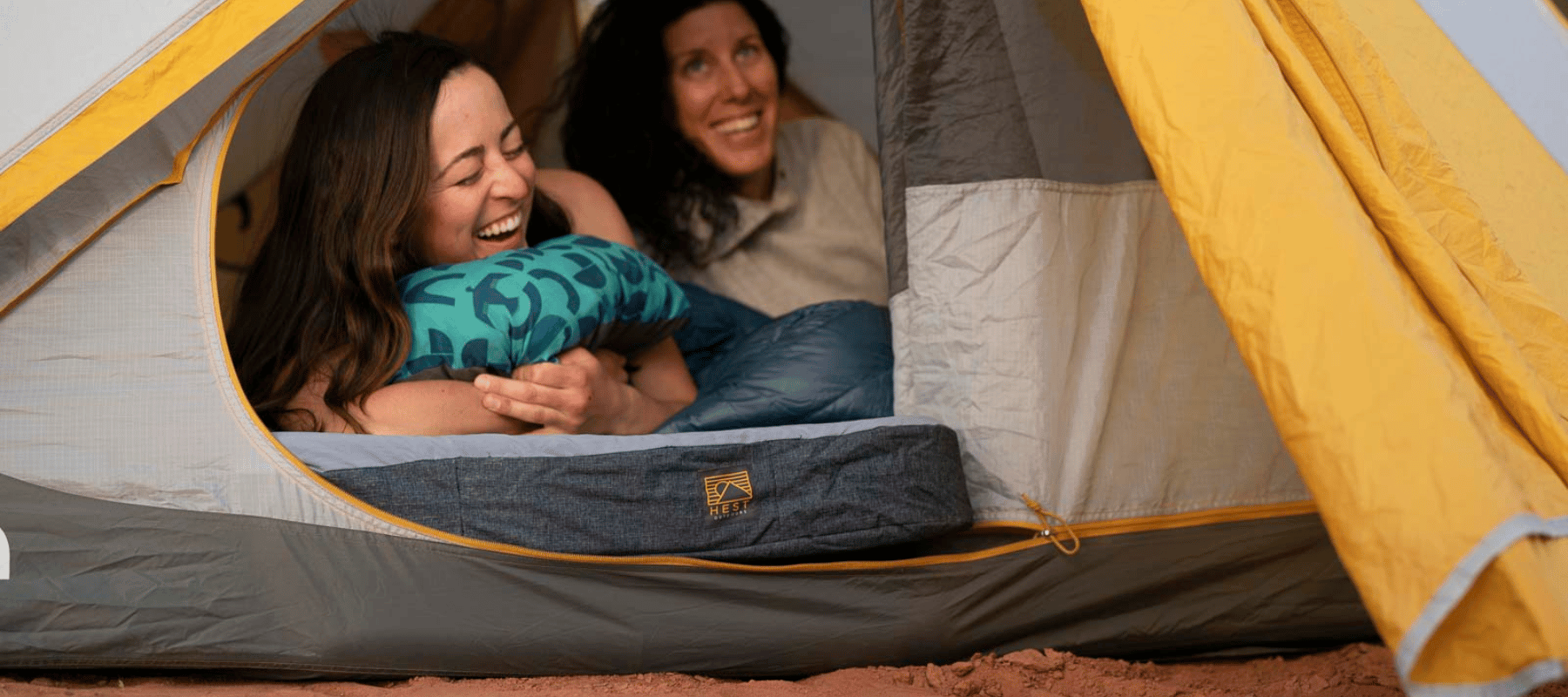
A quality memory foam camping mattress is typically 3.5 to 4 inches thick, conforms to your body's pressure points, and maintains the same thickness all night. There's no pump, no valve, nothing to leak. You unroll it, lie down, and sleep.
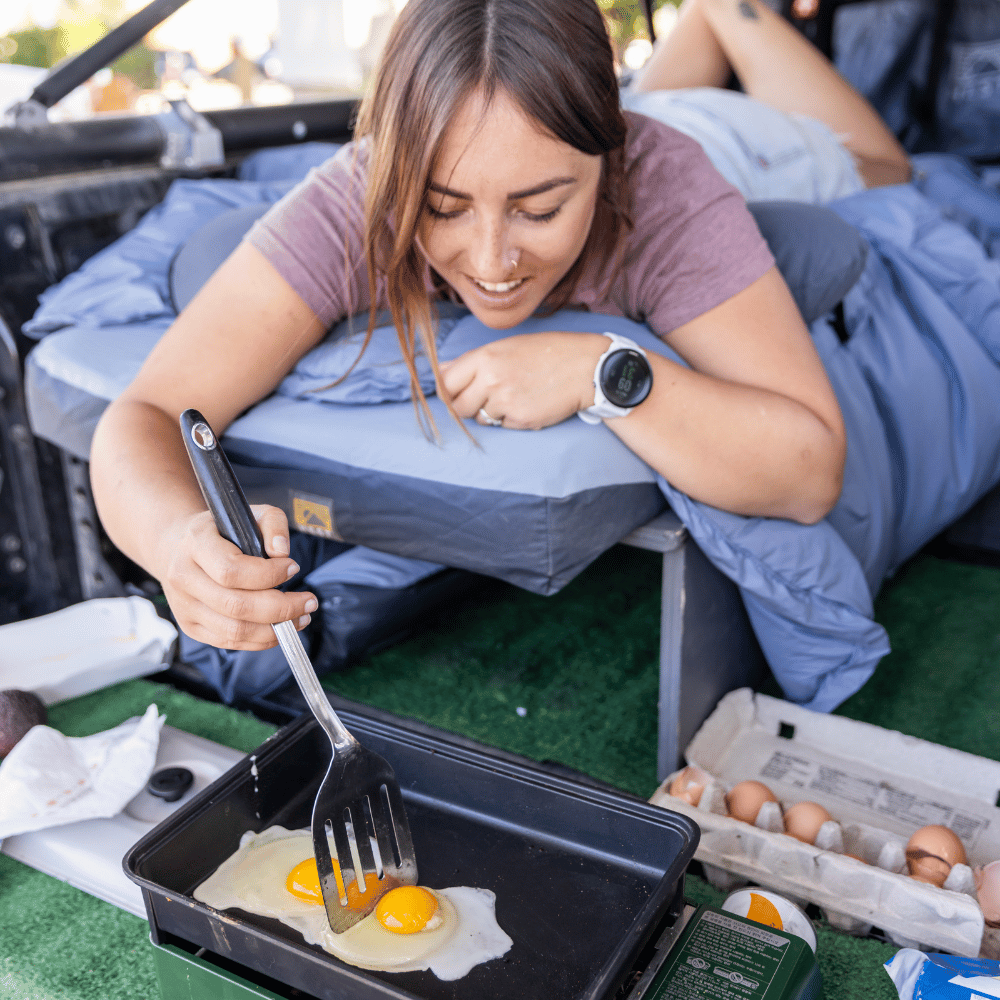
The trade-off is weight and bulk. Memory foam mattresses are heavier than air pads (the HEST Foamy is about 13 pounds) and take up more space in your vehicle. For backpacking, they're not practical. But for car camping, truck bed setups, van life, and overlanding, where you're driving to your campsite anyway, the weight doesn't matter, and the comfort difference is dramatic.
What to look for: at least 3.5 inches of thickness (thinner foam bottoms out at the hips for side sleepers), a high R-value for insulation (HEST mattresses are rated at 8.8), and a removable, washable cover. If you share a tent with a partner, two individual foam mattresses linked side-by-side give you independent firmness without the motion transfer problems of a shared air mattress.
Best for:Car campers, truck bed campers, overlanders, van lifers, and anyone who prioritizes sleep quality above all else.
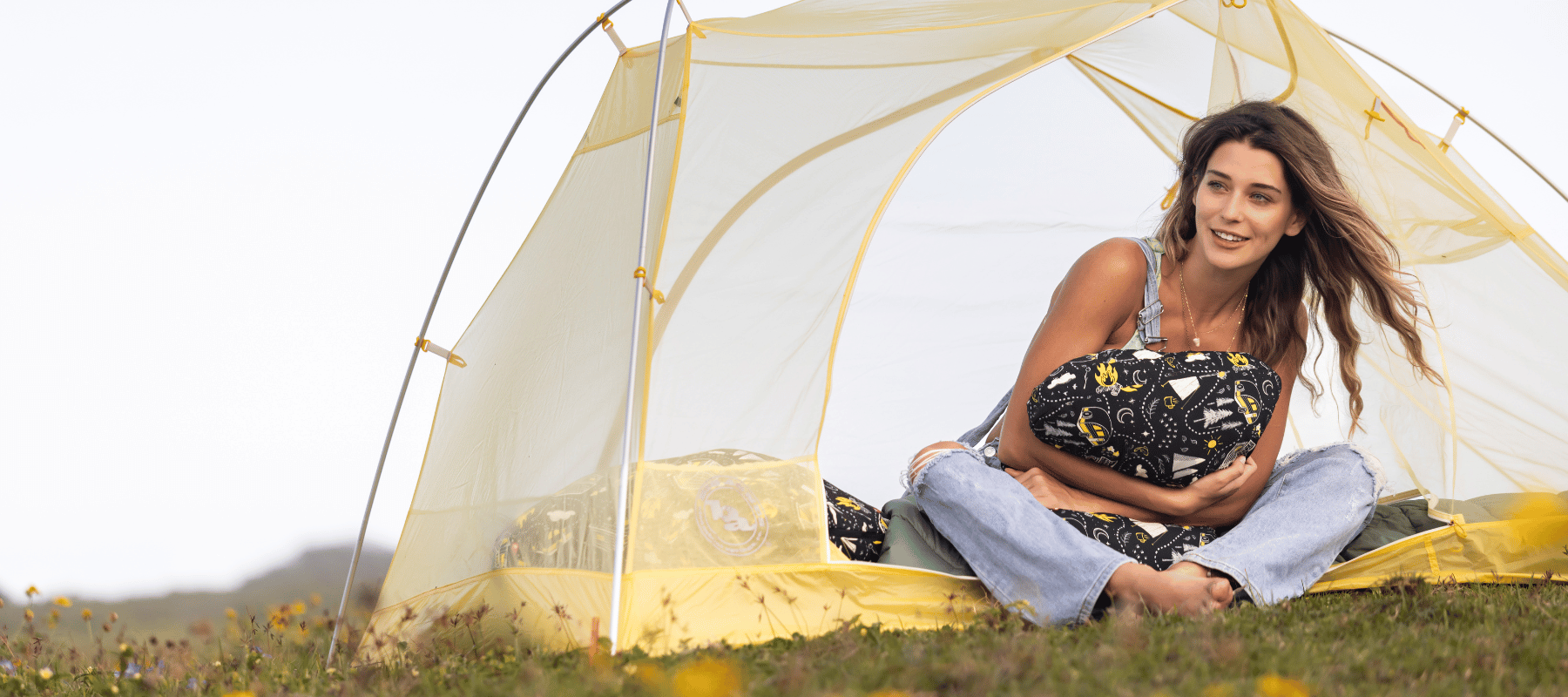
The best self-inflating pads (like the Exped MegaMat or Therm-a-Rest MondoKing) are genuinely comfortable, especially in the 3- to 4-inch thickness range. They offer a good combination of cushion, insulation, and packability, and they're lighter than pure foam mattresses.
The downsides: they still rely on an air chamber, which means they can (and do) develop slow leaks over time. They take longer to set up than a foam mattress. You're waiting for the pad to self-inflate, then topping off with air, then fine-tuning the firmness. And in cold weather, the air inside can cool down and reduce comfort overnight.
Best for:Campers who want strong comfort but need a more packable option than pure foam, or backpackers willing to carry the extra weight for better sleep.
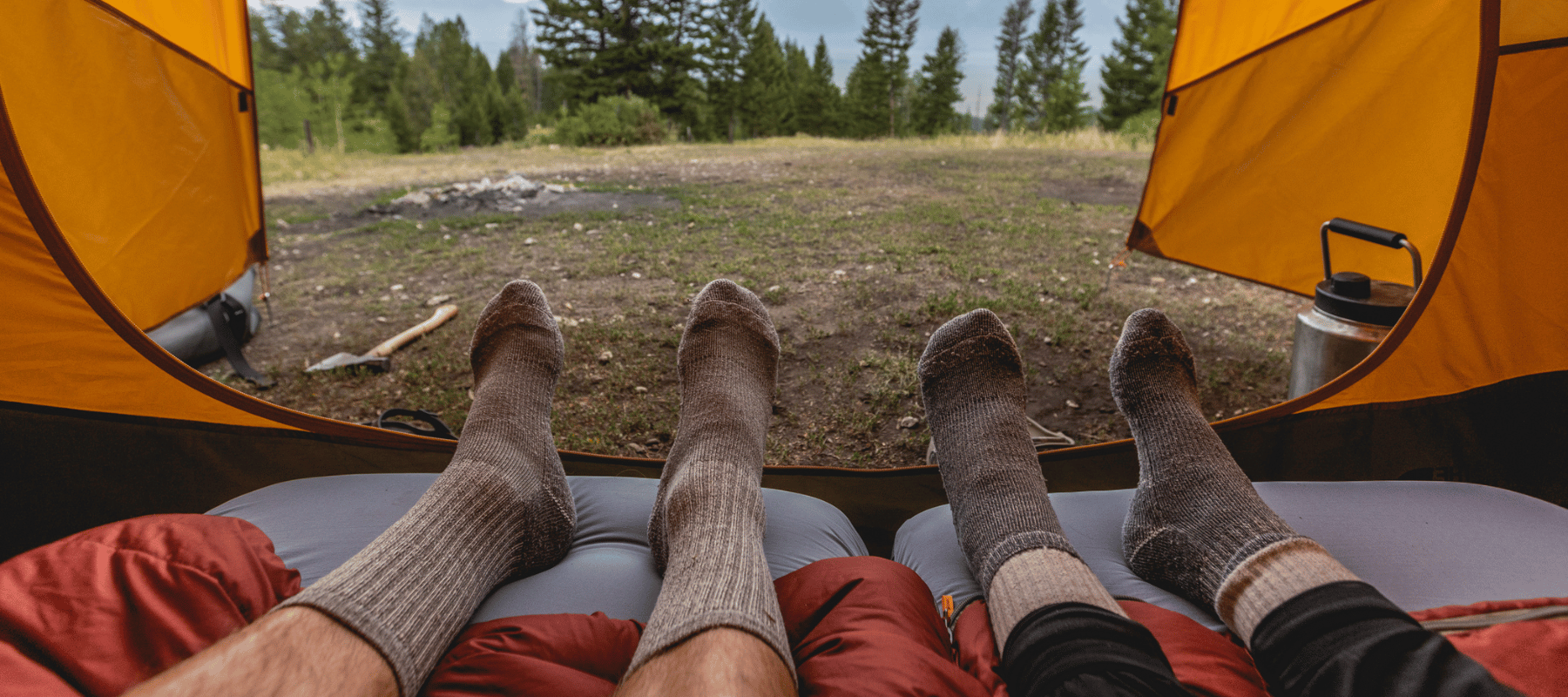
The problems show up overnight. Air mattresses gradually lose pressure as temperatures drop, so you wake up closer to the ground than where you started. They provide almost no insulation from cold ground (most have an R-value under 2). They're noisy when you move. And over time, seams fail and slow leaks become inevitable.
For a once-a-year summer campout in warm weather, a basic air mattress will get the job done. But if you camp more than a few times a year, or if you camp in any weather below about 50°F, you'll quickly outgrow this option.
Best for:Occasional summer campers on a tight budget, or as a guest bed at home that doubles for one camping trip a year.
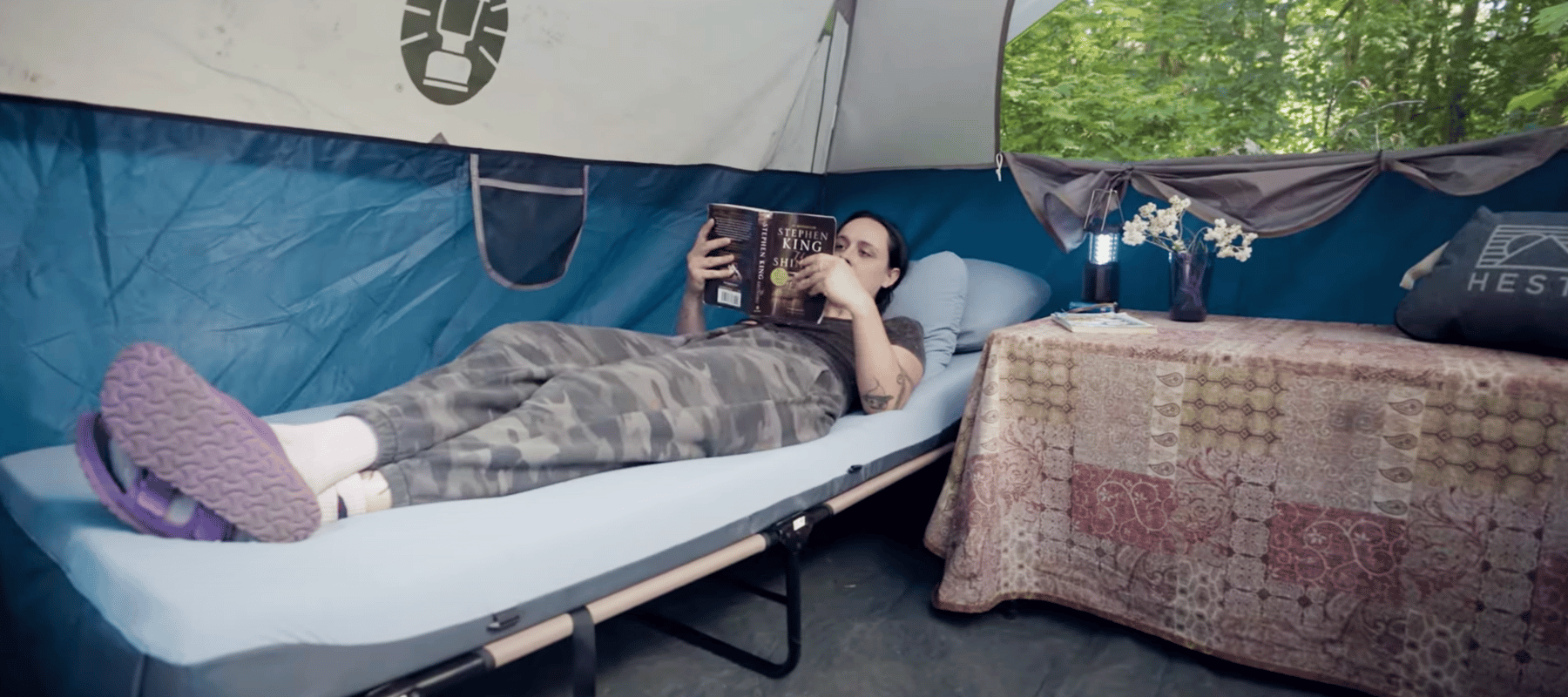
Cots elevate you off the ground, which solves the cold-ground and uneven-terrain problems. Some people love the feeling of sleeping on a raised surface, and cots can be convenient in large tents where floor space matters.
But most camping cots have a thin fabric sleeping surface that creates pressure points at the hips and shoulders, especially for side sleepers. Adding a sleeping pad on top of a cot helps, but then you're carrying two pieces of gear to solve a problem that a good mattress handles on its own.
Cots also take up more vertical space in a tent, don't work in vehicles, and most can't support two people sleeping together.
Best for:Solo campers who prefer sleeping on a raised surface, tall-tent campers with room to spare, or people who deal with mobility issues and need the height for getting in and out of bed.
It will also never feel comfortable unless you're sleeping on soft sand. Closed-cell foam pads are typically half an inch to three-quarters of an inch thick. For side sleepers, that means your hip is essentially resting on the ground with a thin buffer. For back sleepers, roots and rocks will make themselves known.
These pads are a legitimate choice for ultralight backpackers who are counting every ounce and willing to sacrifice sleep for trail performance. For car camping, there's no reason to settle for this level of comfort when you have a vehicle to carry something better.
Best for:Ultralight backpackers, thru-hikers, and as a secondary insulation layer under another pad.
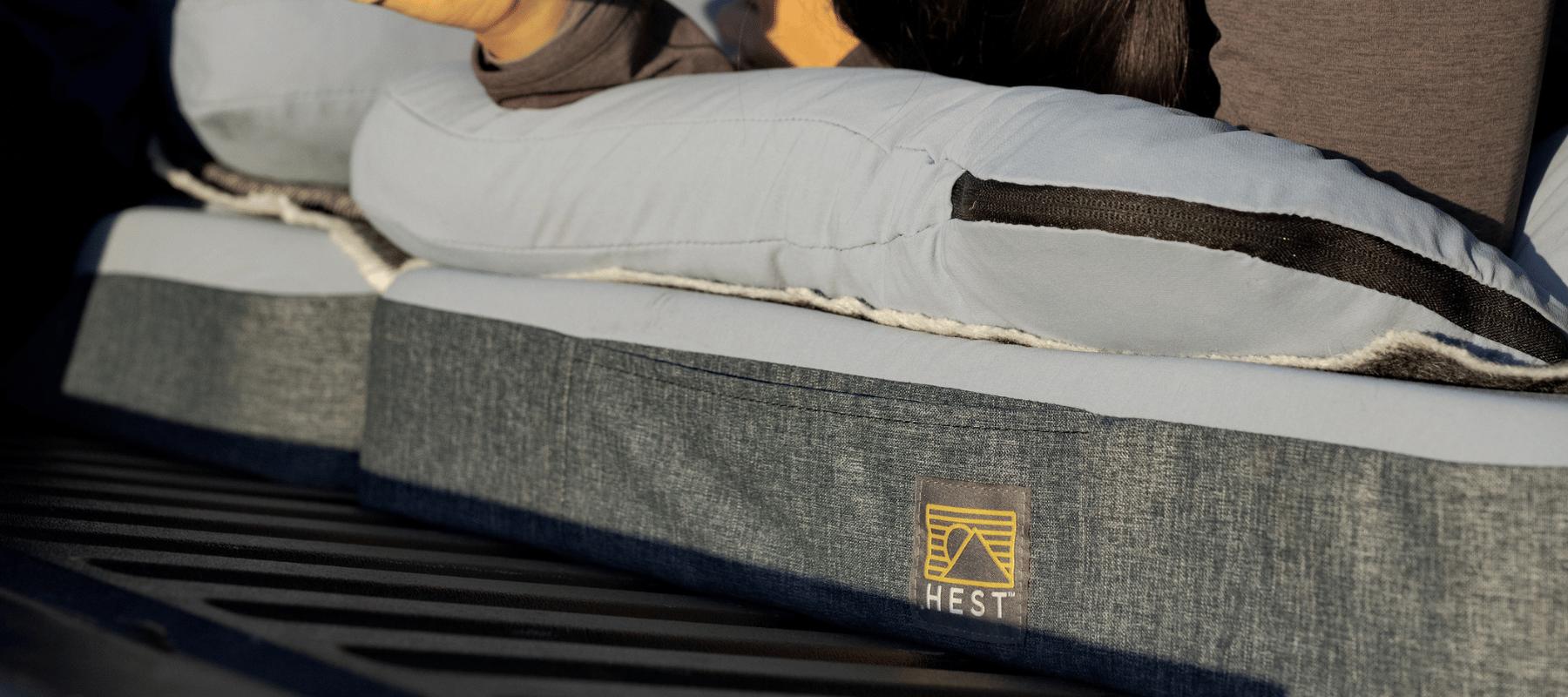
If you're car camping, truck camping, overlanding, or doing van life, and comfort is your priority, a memory foam camping mattress is the answer. It's the most consistent, most durable, and most comfortable sleep surface you can bring outdoors.
The HEST Foamy sets up in 30 seconds (unroll it), provides an R-value of 8.8 for year-round insulation, and uses the same dual-layer enhanced memory foam construction that earned it a spot on CleverHiker's best camping mattresses list and reviews from Field & Stream, Gear Junkie, and Men's Journal.
If you've been waking up stiff, sore, or unrested at camp, the mattress is the problem, and it's the easiest piece of gear to upgrade.
A thick memory foam camping mattress provides the most home-like comfort in a tent. Look for at least 3.5 inches of foam thickness and an R-value of 4 or higher for three-season insulation.
Foam is better for consistent comfort. Air mattresses lose pressure overnight, especially as temperatures drop, and provide less insulation from cold ground. Foam mattresses maintain the same support from the moment you lie down until morning.
Side sleepers need at least 3.5 inches of thickness to prevent hip and shoulder pressure points from bottoming out against the ground. Thinner pads tend to cause numbness and soreness for side sleepers.
You can, but home mattresses aren't designed for outdoor conditions. They absorb moisture, lack weather-resistant covers, and are difficult to transport. Camping-specific memory foam mattresses use durable, water-resistant materials while still providing home-level comfort.
R-value measures insulation from the ground. For summer-only camping, an R-value of 2–3 is sufficient. For three-season use, aim for 4–6. For cold weather and winter camping, look for 7 or higher. HEST mattresses are rated at 8.8, making them suitable for year-round use.